







Search Results for: entry notice
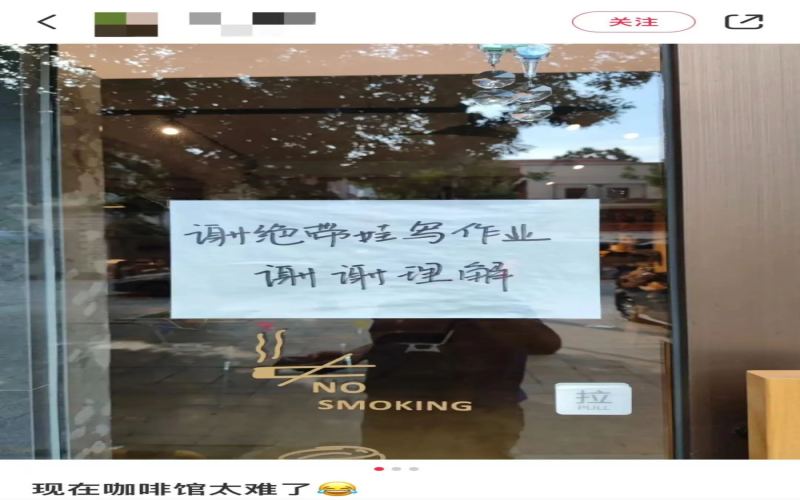
Café posts notice refusing entry for kids doing homework, sparks debate; owner responds: not anti-child, just aiming to create a quiet space
Recently, a café posted a notice at its entrance saying "No bringing kids to do homework here," which sparked widespread discussion on social media. The owner later explained that the move was not meant to bar children from entering, nor was it about table turnover or people freeloading on the air conditioning, but rather because tutoring homework easily triggers emotional swings between parents and children, disrupting the experience of other customers. Many netizens said they understood and shared their own experiences of encountering similar situations in cafés. At the same time, some suggested changing the notice to "No loud noise," to accommodate quiet, well-behaved children and emotionally stable parents. Why exactly do parents prefer to bring their kids to cafés to do homework? And how should cafés balance the needs of different customers? Front Street Coffee takes a look with you. [more…]
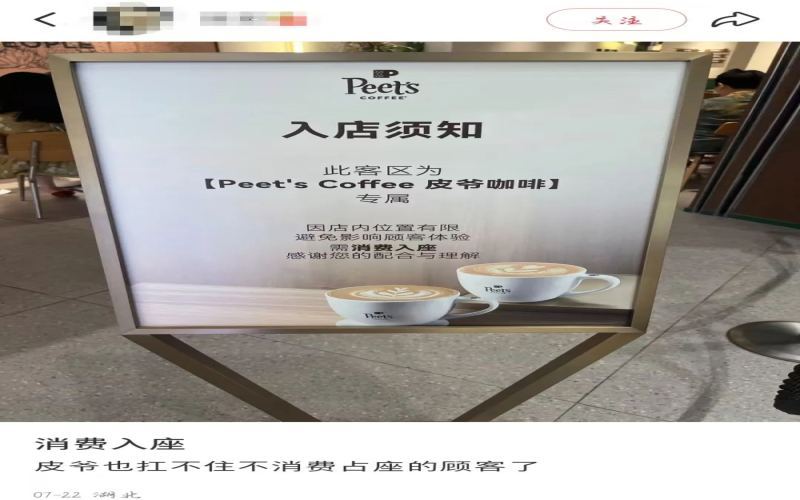
Peet's Coffee's implementation of a minimum purchase requirement for seating sparks debate: can chain brands use this to tackle seat-hogging?
Recently, a Peet's Coffee store in Wuhan placed a "Notice for Entry" at its entrance, explicitly requiring customers to make a purchase before they can be seated. This move quickly sparked widespread discussion among netizens. Many consumers expressed support, believing it can effectively curb uncivilized behaviors such as occupying seats for long periods without buying anything, playing cards, putting on makeup, or even livestreaming. Others questioned the notice's actual enforceability. Previously, Starbucks tried a similar policy, but the results were less than ideal. Whether Peet's move can truly improve the store environment and enhance the customer experience has become a focal point of attention in the coffee industry. [more…]
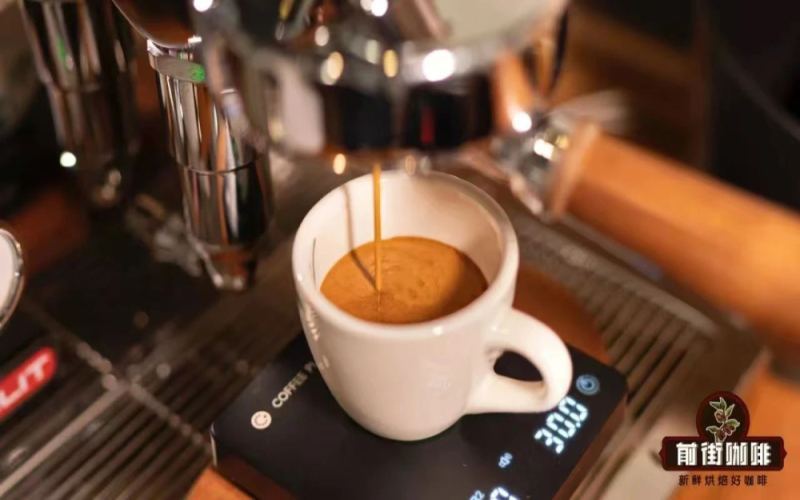
How Should You Choose the Coffee-to-Water Ratio for Lattes, Americanos, and Espressos? Front Street Coffee's House Blend Beans Put Three Ratios to the Test in a Flavor Comparison
The same coffee beans, the same grind size and dose, and merely adjusting the espresso brew ratio can make a latte, an americano, and an espresso take on completely different flavor directions. Taking Front Street Coffee's specialty blend of Colombian and Brazilian beans as an example, 20 grams of grounds were extracted at three ratios—1:1, 1:1.5, and 1:2—to taste the differences in mouthfeel among espresso, latte, and americano one by one. The actual test found that: a smaller-ratio espresso has a more pronounced acidity but noticeably sweeter when made into a milk coffee; a larger-ratio espresso easily develops over-extracted woody and smoky notes; 1:1.5 performs best in terms of layering and balance. The article also shares ideas for selecting espresso beans and the characteristics of Front Street's classic espresso blend. [more…]
Analysis of Latte Coffee Preparation Ratios and Taste Characteristics: Performance of Different Coffee-to-Water Ratios of Espresso in Milk-Based Coffee Drinks and Americanos
Under the same espresso bean, grind size, and dose, how do changes in the espresso brew ratio affect the flavor expression of lattes and Americanos? The baristas at Front Street Coffee used Front Street. Specialty Blend, composed of Colombian and Brazilian beans, as the sample, fixed the dose at 13 grams, and tested three brew ratios—1:1, 1:1.5, and 1:2—recording the flavor differences across three dimensions: espresso, latte, and Americano. The article also answers what coffee beans espresso should use, why an espresso blend is recommended rather than a light-roast single-origin bean, and how a blend can balance both flavor balance and consistency in the cup. [more…]
The Origin of Latte | What is the espresso extraction coffee-to-water ratio for the espresso base of a latte or americano? What coffee beans are used for espresso?
A few days ago, a coffee enthusiast asked Front Street Coffee (FrontStreet Coffee): if the same bean is used, with the same grind size and the same dose, when preparing milk coffee, Americano, and espresso, will there be different requirements for the espresso's brew ratio? So Front Street Coffee (F [more…]
Latte Coffee Making Tutorial: A Practical Test of How Espresso Coffee-to-Water Ratio Affects the Flavor of Milk Coffee and Americano
The key to a delicious latte lies in the ratio of espresso to milk. Front Street Coffee tested espresso brews at three powder-to-water ratios—1:1, 1:1.5, and 1:2—using the same specialty blend beans, identical grind size, and dose, then prepared espresso, latte, and americano respectively to compare flavor differences. The experiment found that the 1:1 ratio espresso was somewhat sour but had prominent sweetness when milk was added, suitable for a mellow taste; 1:1.5 offered rich layers and a balanced milk-coffee flavor; while 1:2 easily produced over-extracted woody and smoky notes. At the end of the article, two Front Street Coffee beans suitable for making espresso are recommended for enthusiasts to consider purchasing. [more…]
How the Espresso Coffee-to-Water Ratio Affects the Flavor of Lattes and Americanos
For the same coffee beans, the same grind size, and the same dose, how does changing the espresso brew ratio affect the taste of a latte, an Americano, and the espresso itself? Front Street Coffee conducted a comparative test using a Colombian and Brazilian blend, fixing the dose at 20 grams and extracting at three ratios—1:1, 1:1.5, and 1:2—analyzing acidity, sweetness, aftertaste, and the risk of over-extraction, ultimately offering parameter recommendations for different taste preferences and recommending blend options suitable for making espresso. [more…]

Espresso and Fancy Coffee | How Can Coffee Newbies Make a Latte at Home? What Are the Latte Making Methods, Espresso Ratios, and Preparation Techniques? An Introduction to the Characteristics, Origin, and History of the Latte
A few days ago, a coffee enthusiast asked Front Street Coffee (FrontStreet Coffee): if the same bean is used, with the same grind size and the same dose, when producing milk coffee, Americano, and espresso, will there be different requirements for the espresso's brew ratio? So Front Street Coffee (F [more…]
Exploring the Origins and Characteristics of Latte: How Different Espresso Ratios Affect the Flavor of Milk Coffee and Americano
Latte, Americano, and espresso share the same roots, yet they present entirely different flavor expressions due to different espresso extraction ratios. Front Street Coffee used the same specialty blend beans, the same grind size and dose, to test the specific effects of three brew ratios—1:1, 1:1.5, and 1:2—on espresso, latte, and Americano. The results showed that espresso at a 1:1 ratio was on the sour side but had a prominent sweetness after adding milk, 1:1.5 had the richest layering and a balanced latte, while 1:2 tended to over-extract and develop woody and smoky notes. The article also explained espresso's reliance on blend beans and recommended Front Street's classic espresso blend. [more…]
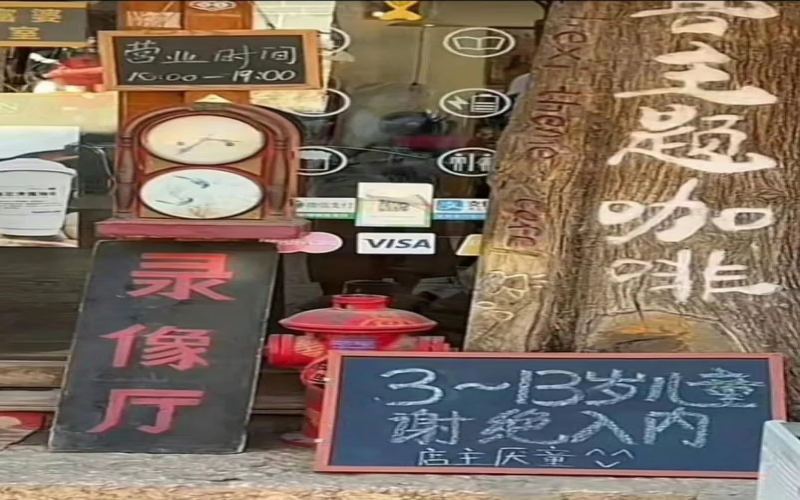
Cafés successively refusing entry to children sparks heated debate, South Korea's "no-kids zones" phenomenon also draws attention
Recently, two incidents of coffee shops refusing to serve children have caused a stir online. On one side, a coffee shop in China put up a notice at its entrance reading "Children aged 3 to 13 are not admitted," with the owner openly stating they "dislike children"; on the other, South Korea's increasingly common "No Kids Zone" has once again become a topic of discussion, with some establishments even posting signs reading "dog yes, kids no." Supporters argue that coffee shops are meant to stay quiet and that businesses have the right to avoid risks; opponents criticize the signs as discriminatory. What social nerves does this debate about "child aversion" actually touch? And what predicament of public space is reflected in the "bratty kids' parents" that young people complain about? [more…]

Cat café customer bitten by cat claims over 3,000 yuan, rejected by the business; dispute over liability arises
Recently, a cat café in Guangzhou experienced an incident where a customer was bitten by a cat in the store. After seeking medical treatment, the customer demanded more than three thousand yuan from the business for medical expenses and emotional distress, but the owner refused. The business claimed that the risks had been clearly stated in the group-buy package and in-store notices, and that the customer, being an adult, should not hold the store fully responsible; the customer side argued that the business had failed to fulfill its safety obligations. Both sides stuck to their own accounts, and the negotiation reached a deadlock. The incident has attracted widespread attention: when someone is scratched or bitten by a pet in a cat café, how exactly should liability be divided? As coffee lovers, when enjoying the pleasure of petting cats and drinking coffee, how can we protect our own safety? Front Street Coffee reminds you that choosing a legitimate cat café and understanding the relevant guidelines is the best way to enjoy your time interacting with cats. [more…]
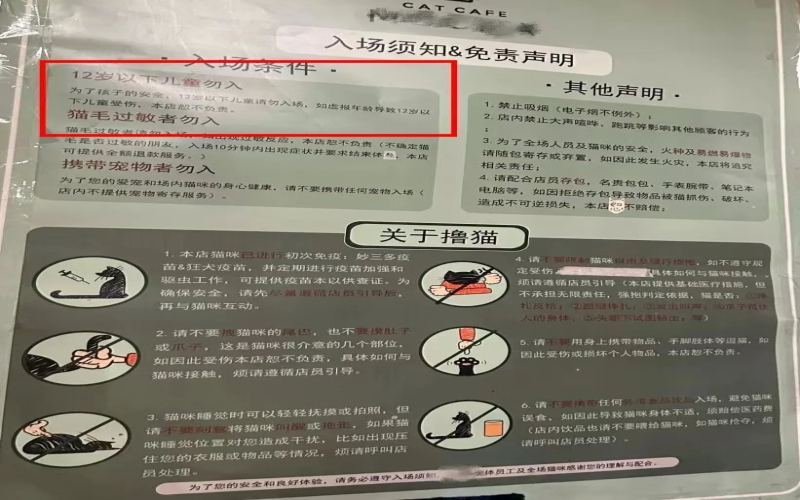
Coffee Shop's Refusal to Admit Young Children Sparks Heated Debate: Safety Consideration or Consumer Discrimination?
Recently, the topic of some coffee shops not admitting children has trended on Weibo, sparking widespread discussion. A cat café has a rule that children under 12 are not allowed to enter, with a strict ban on those under 6, citing concerns for children's safety. Many coffee shop owners have expressed similar stances: they hope to create a quiet space rather than restrict children's nature. Netizens have polarized views on this, with supporters believing that market segmentation is reasonable, while those concerned question whether it constitutes discrimination against consumers. Behind this debate lies the difficulty service industries face in balancing the needs of families with children and the desire for a quiet experience. Front Street Coffee has always focused on the intersection of coffee culture and social topics, and today we'll walk you through the ins and outs of this event. [more…]
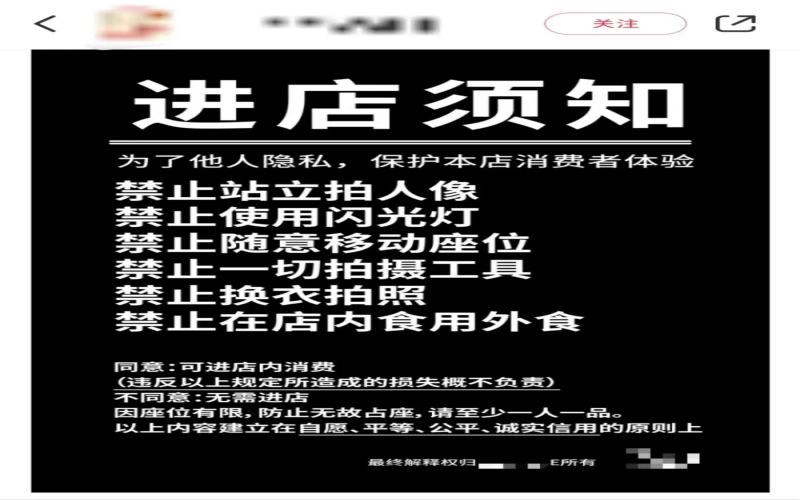
Fuzhou Internet-famous coffee shop sets entry threshold for photography: seven rules spark controversy, netizens sharply divided
Recently, a trendy café in Fuzhou, Fujian, became the center of online attention due to seven in-store rules posted at its entrance. The rules include prohibitions on standing to take photos, using flash, changing outfits for photoshoots, and all photography equipment; customers must agree to these terms before entering and making purchases. Some consumers reported that the café attracted traffic on social media by marketing itself as "photo-friendly," but upon arrival, they were told flash photography was not allowed, and even had disagreements with staff over the per-person ordering rule. The café responded that excessive posing for photos disrupts other customers' dining experience, and tables and chairs were damaged due to being moved around casually, so the rules were established to maintain the dining environment. Netizens have mixed opinions: some consider the rules reasonable as a matter of mutual choice, while others criticize the merchant's tone as too forceful. Front Street Coffee reminds that cafés, as public spaces, require mutual understanding from both sides to balance photography needs and dining experience. [more…]

How Does Milk Temperature Shape Latte Flavor? A Side-by-Side Test from 40°C to 80°C
As the weather turns cooler, the demand for hot milk coffee rises noticeably. Some coffee shops, wanting takeaway customers to still feel warmth when they receive their drink, steam the milk to a temperature far above the usual 65°C or so, even close to scalding. What changes does milk temperature—whether too high or too low—actually bring to a latte? In this article, we steam milk at three temperatures—40°C, 60°C, and 80°C—and make lattes with each, comparing them one by one in terms of aroma, sweetness, milk foam texture, and overall balance, to find the more ideal serving temperature and explain why everyday cafés usually don't change their milk temperature lightly. [more…]

Luckin Coffee May Enter the Taiwan Market in December, with Franchisee Shunyu Holdings Coming to Light
Recently, a coffee shop under renovation in Taipei City, Taiwan Province, China, has attracted widespread attention, with multiple clues pointing to the possibility that the chain brand Luckin may open its first store in Taiwan there. The talent recruitment notices, renovation permits, and opening preview posters posted on the construction hoarding all reveal a design style highly similar to that of Luckin. The website of the agent Shunyu Holdings even directly announced that "the first store is expected to open in December 2025." Although Luckin applied for a trademark as early as 2019, this move is interpreted by outsiders as imitating Starbucks' layout in Taiwan through an agent model. Facing fierce competition in the local coffee market, consumer attitudes are divided, and when a reporter called the contact number on the recruitment notice, no one answered, leaving the store opening plan still uncertain. [more…]
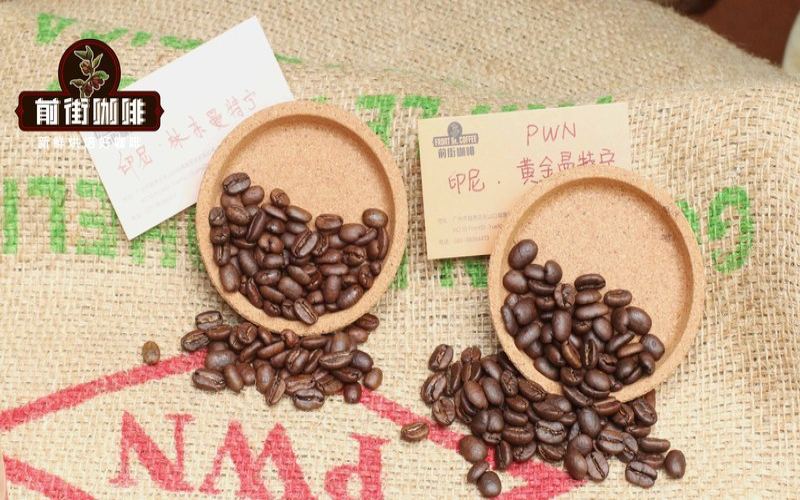
Moka Pot Bean Selection Guide: How to Choose from Light to Dark Roast
Coffee brewed in a moka pot is strong and intensely aromatic—perfect for sipping slowly from a small cup, or for adding water or milk. For those just starting out, roast level is an easier guide than region names: light roasts lean bright, medium roasts are balanced and sweet, medium-dark roasts have more body, and dark roasts bring pronounced cocoa and roasted notes. [more…]
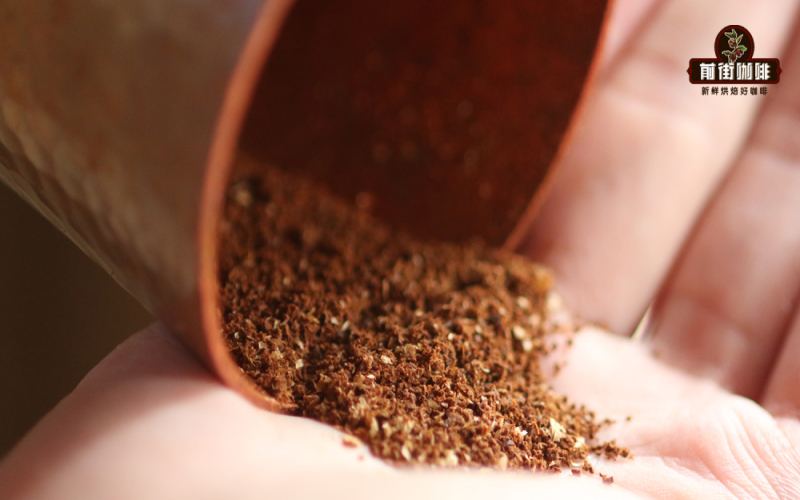
How to Choose an Entry-Level Coffee Grinder? A Guide to Recommended Well-Known Manual Grinder Brands
Once coffee grounds are ground and exposed to air, oxidation quietly begins, and flavor and aroma gradually dissipate. Therefore, the ideal situation is to grind coffee beans just before brewing to ensure the best flavor. The grinder may seem unassuming in coffee preparation, but it plays an extremely critical role and is one of the core factors determining the final flavor of coffee. Opening an online shopping platform and searching for "grinder," prices range from 22 yuan to 71,271 yuan, a difference of up to 3,239.6 times. Although this seems insignificant compared to the "hundred million" level figures frequently encountered recently, it is already outrageous in terms of product price differences. For this reason, Front Street Coffee plans to release this grinder purchasing guide for everyone's reference. [more…]
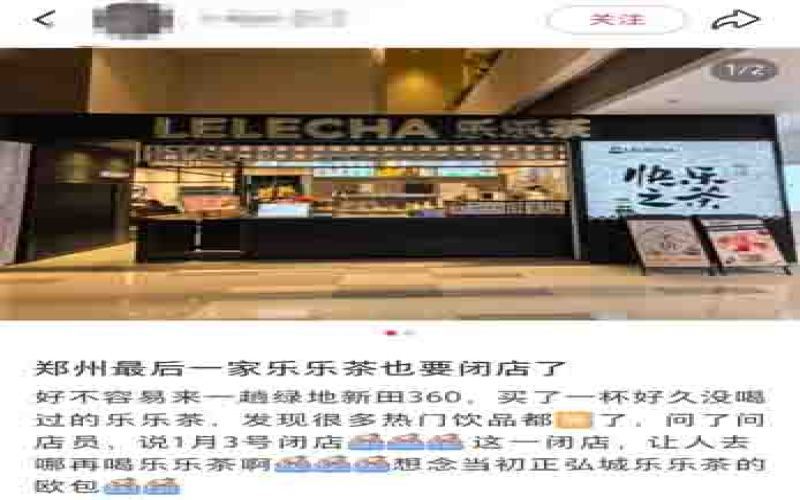
Lelecha's last store in Zhengzhou is about to close, drifting further away from its thousand-store goal amid contraction across multiple cities.
Lelecha, which previously sparked widespread discussion with its "Apple Candy" series of new products, has recently become a focus of attention once again. Some consumers have noticed that the only remaining Lelecha store in Zhengzhou will cease operations on January 3, 2026, which means the brand may completely bid farewell to the Zhengzhou market. From its high-profile entry into Henan at the end of 2022 to the successive closure of stores now, Lelecha has undergone a transformation from expansion to contraction in just three short years. At the same time, stores have also quietly withdrawn from many cities such as Zhangzhou, Handan, and Weihai. Although the brand once set a goal of one thousand stores, actual data shows a different trajectory, prompting concern about its future fate. [more…]
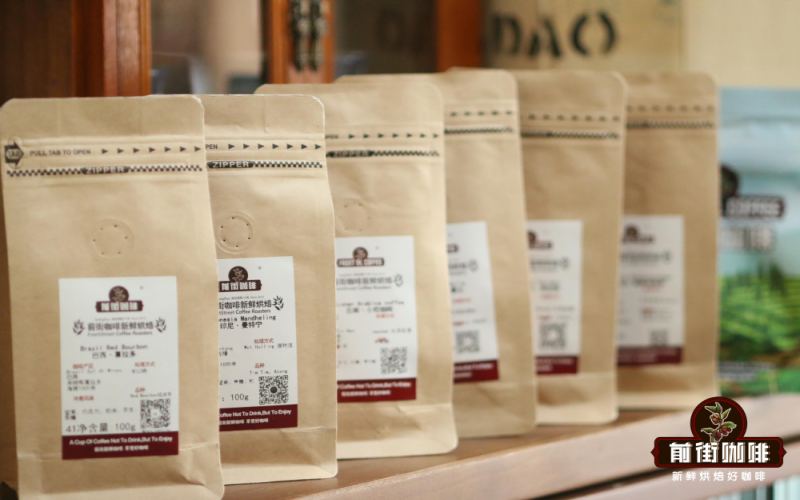
How to Choose Single-Origin Beans for Pour-Over Beginners? Flavor Analysis of Front Street Coffee's Seven Major Regional Everyday Beans
Newcomers to single-origin coffee often hesitate to choose beans because they can't quite grasp the flavor characteristics of each producing region. This article presents seven everyday coffee beans that Front Street Coffee has created for entry-level enthusiasts, covering producing regions including Ethiopia Yirgacheffe, Costa Rica Tarrazu, Colombia Huila, Indonesia Lintong Mandheling, China Yunnan Baoshan, Guatemala Huehuetenango, and Brazil Cerrado. It explains the bean variety information, processing methods, and the flavor direction after brewing one by one, and also discloses Front Street's tested three-stage pour-over parameters. Whether you love bright fruity acidity or prefer a rich, nutty profile, you can find your first entry-level everyday coffee here. [more…]
Choosing pour-over beans in the light-roast style: from floral and fruity to tea-like
A cup of light-roast pour-over is often appealing for its bright aroma, lively acidity, and the fruity, floral, or tea-like finish it leaves on the palate. It doesn't have to taste sharp; it can also be very sweet and mellow. When choosing, rather than fixating solely on the word "light roast," it's better to look further at the flavor tendencies and your own drinking habits. [more…]